Tobin’s statement on what makes a great team
My PhD research focused on the benefits of biodiversity for natural pest control, where each predator provided a unique benefit, and introduction of different types of predators allowed for more complete pest control. I have had a similar experience with teams I’ve served on, where increasing diversity of all types (e.g., expertise, demographics, perspectives) improves innovation and effectiveness. The benefits of diversity in expertise are obvious to most, such as combining industry, extension, and researchers for a working group, or including tree physiologists, economists, and entomologists when working to better manage tree fruits. However, including members of underrepresented groups on a team has also been demonstrated to improve innovation1, although this benefit is less widely appreciated. A recent study1 evaluated 1.2 million US dissertations across all disciplines in the US from 1982 to 2010 and showed that the scientific novelty of the research was greatest when the student was part of an underrepresented gender or race (determined by first and last names). Unfortunately, the study also found that the work by students from underrepresented groups was often devalued and/or discounted. The authors refer to this as the diversity-innovation paradox, demonstrating that bias against scientists of underrepresented groups is not only inherently problematic, but it also restricts scientific innovation. I work to counter this trend by promoting diversity in the teams of students and colleagues I work with, as well as promoting their work and their role in the team. I find that not only does this make for a more enjoyable work environment, but it also improves innovation and team effectiveness.
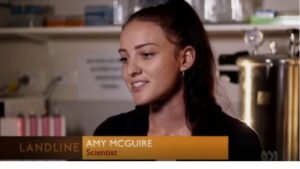
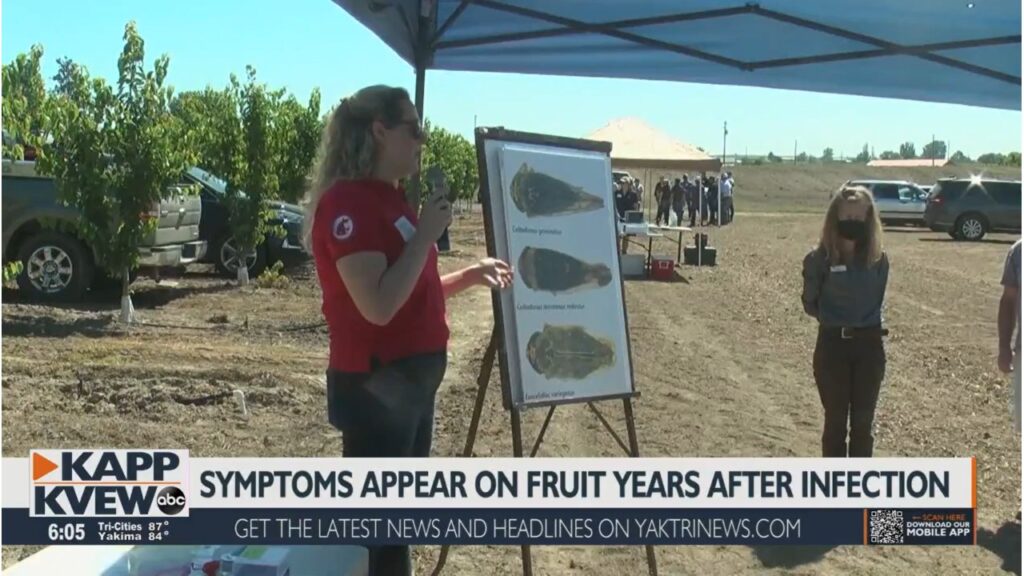
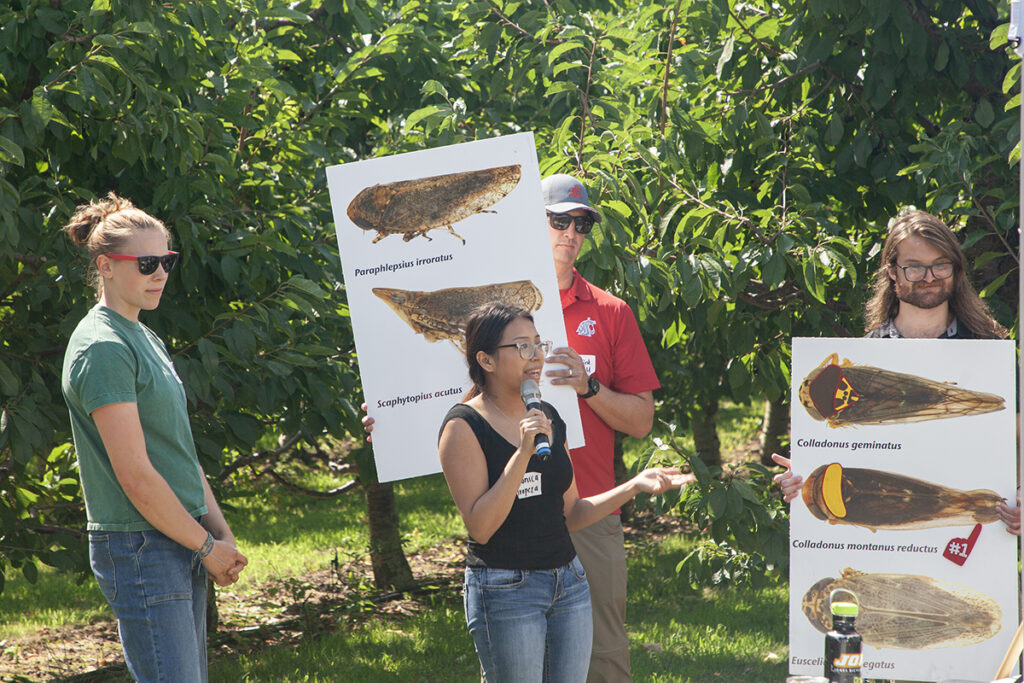
During my time as a faculty member at JCU in Australia and continuing at WSU, I have strived to include graduate students from underrepresented groups and have given them a platform to present from. As students develop their research program and begin to experience success, I work with them to overcome imposter syndrome that is common amongst successful students, particularly those from underrepresented groups that do not see themselves reflected in other leading scientists2. I start out promoting their work publicly so they can see the reaction of people to their work, and quickly move to the background so they can present their own work in the media. For example, when a master’s student didn’t feel ready to give a TEDx talk, I gave the talk, but showed pictures of her and other female students working in the field to represent the female scientists. Once she had gained confidence and experience, she took over by, amongst other things, discussing her research on Science Friday. In addition to helping break the diversity-innovation paradox by allowing others to see and value work by scientists from underrepresented groups, it allows for the scientists I work with to improve representation in science, reducing the likelihood of imposter syndrome for future generations. Other examples include a female undergraduate student, discussing her research on the Australian Broadcasting Corporation’s (ABC) television show “Landline” (see photo above) and a female PhD student of Māori descent having a recurring segment on Australian Broadcasting Corporation radio and two segments on a general public-focused podcast (Marine Conservation Happy Hour episodes 227 and 228). While in Australia, my graduate student from Guyana, Hemchandranauth Sambhu also shared his research at public outreach events and his work was featured in Sugarcane Grower magazine.
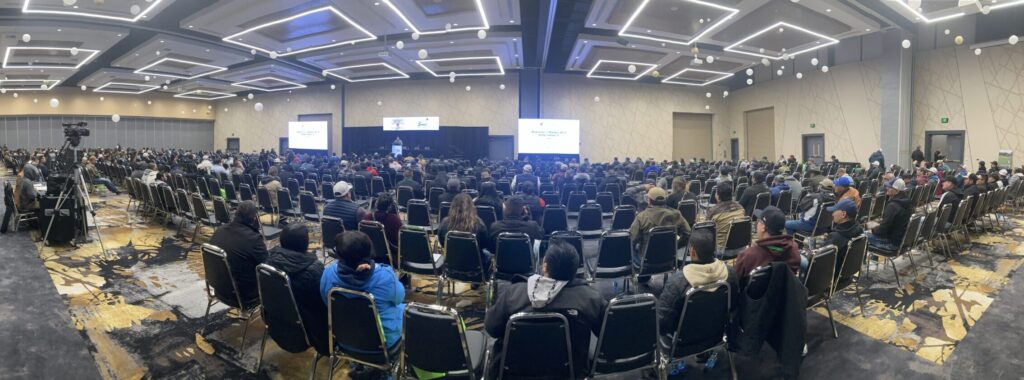
Since I moved to Washington in 2018, I have continued this focus on including and promoting science by students from underrepresented groups. For example, Cesar Reyes Corral, a PhD student in my lab from Mexico has presented to students at a middle school, including presenting entirely in Spanish for a group of 4 female students, because 2 of them spoke only Spanish, and has given extension presentations to several hundreds of people in both English and Spanish (see photo above). Similarly, when Senator Maria Cantwell visited Yakima Valley College (YVC) for a “Roundtable on Advancing STEM Education Opportunities,” her press release specifically mentioned work by Aldo Hanel, a PhD student in my lab from Brazil and his work with undergraduate students at YVC. Lab members are regularly pictured and quoted in media outlets such as the Good Fruit Grower. In addition to my lab group, I strive to work with diverse groups of colleagues, such as the group of industry, researchers, and extension folks that make up each, the LCD Taskforce and Codling Moth Taskforce.